
 Español
 Français
 Italiano
 English

Improving food and nutrition security and strengthening women’s income in the agri‑food sector of the Tahoua region


The economic empowerment pathway for women in the agri-food sector has been completed in the municipalities of Tahoua, Kalfou and Tamaské, in the Tahoua region of Niger. The activities were implemented by CISP under the project “Improving Food and Nutrition Security and Strengthening Women’s Income in the Agri-Food Sector of the Tahoua Region”, implemented within the AICS initiative RESTA, in partnership with COSPE and the Nigerien NGO IDELA, with the contribution of the Italian Agency for Development Cooperation (AICS), through funds from the Italian Ministry of Foreign Affairs and International Cooperation (MAECI).
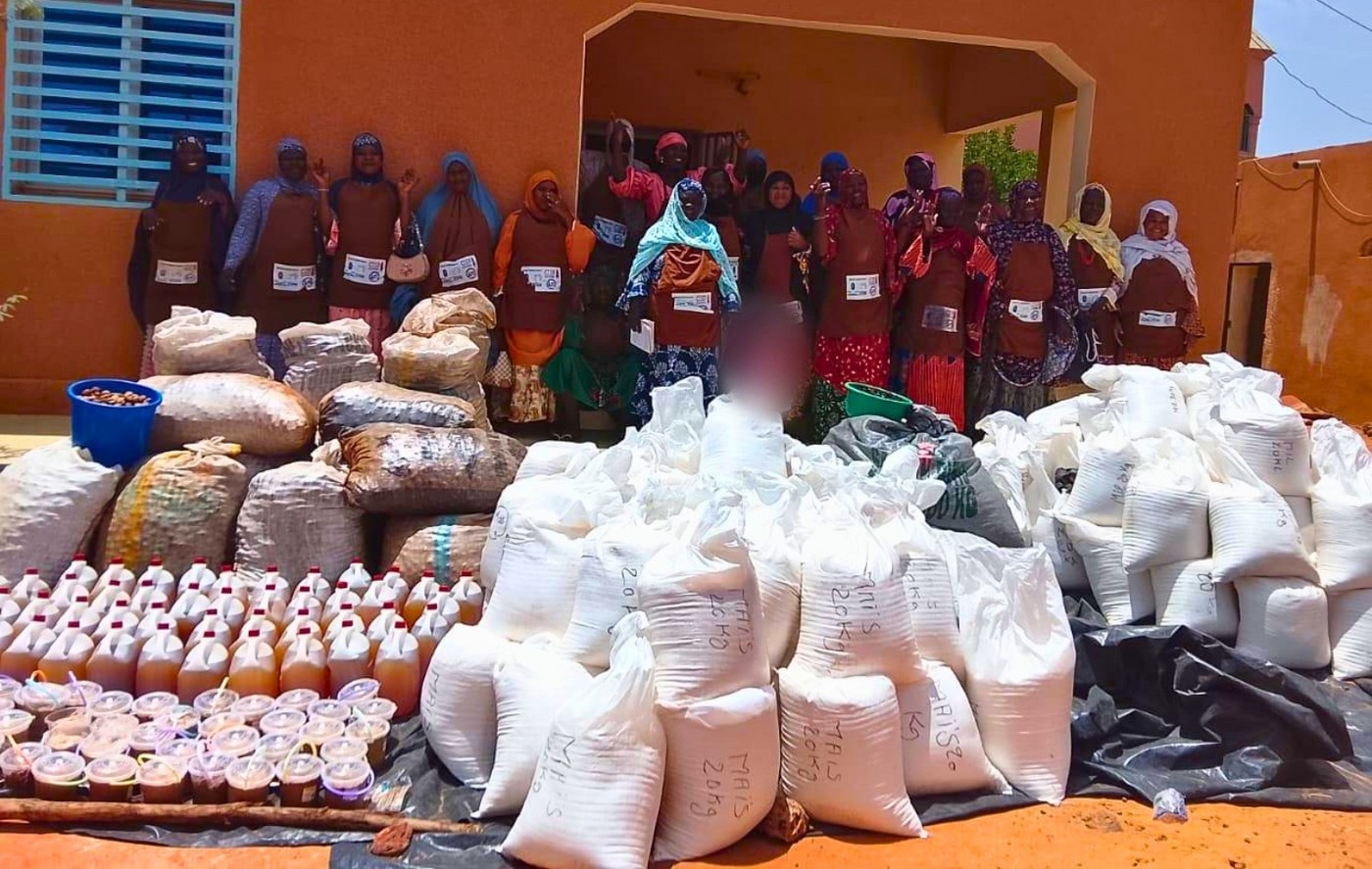
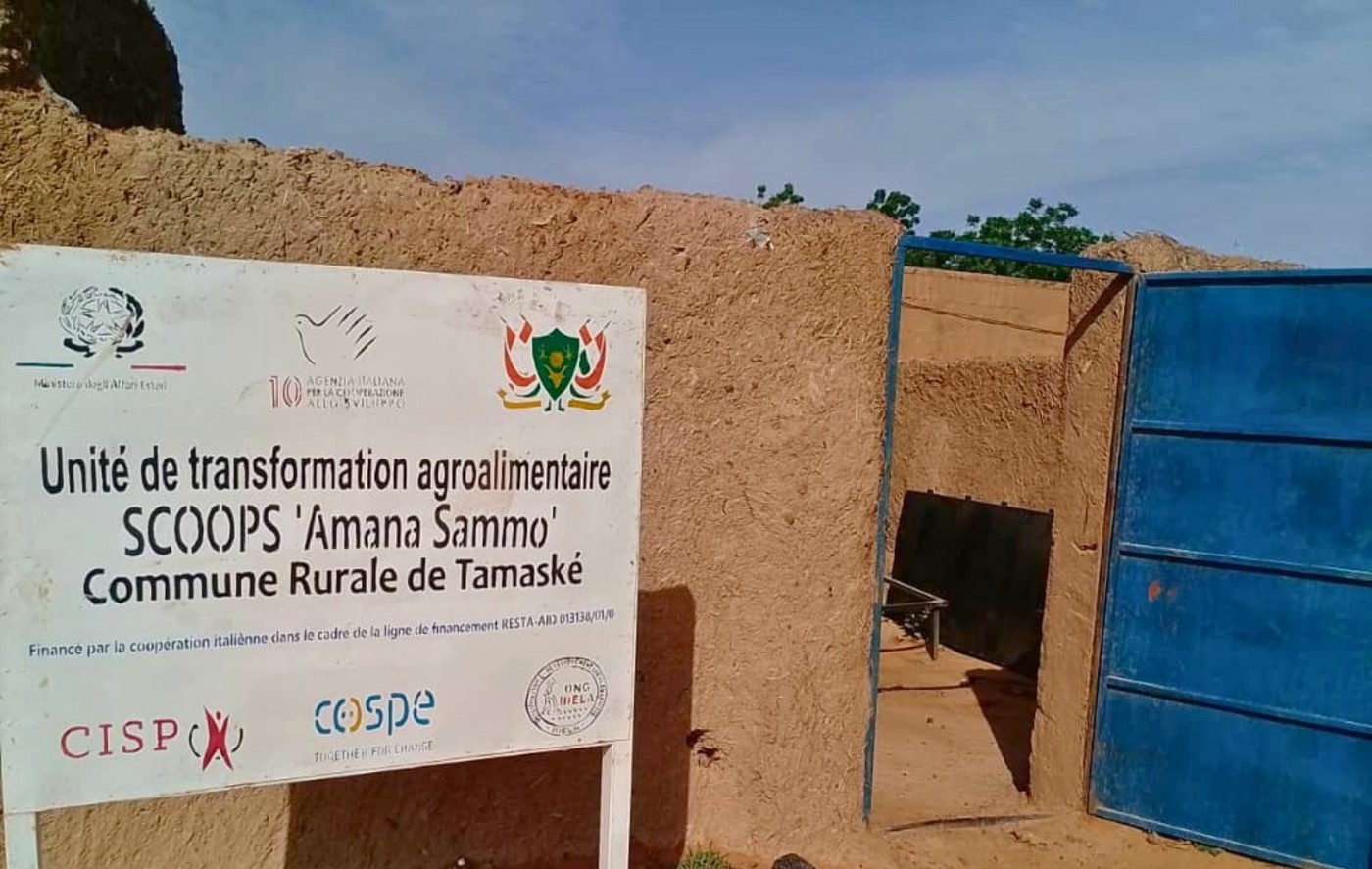
Establishment of eight women’s cooperative societies. The project supported the creation and strengthening of 8 women entrepreneurs’ associations, registered as simplified cooperative societies (SCOOPS), including the SCOOPS “Amana Sammo” in the rural municipality of Tamaské. About 400 women took part in 8 training sessions on associative life, internal governance and the solidarity-based management of the cooperatives. Participants were also selected according to vulnerability criteria: female heads of household and households including refugees, internally displaced people, returning migrants or persons with disabilities.
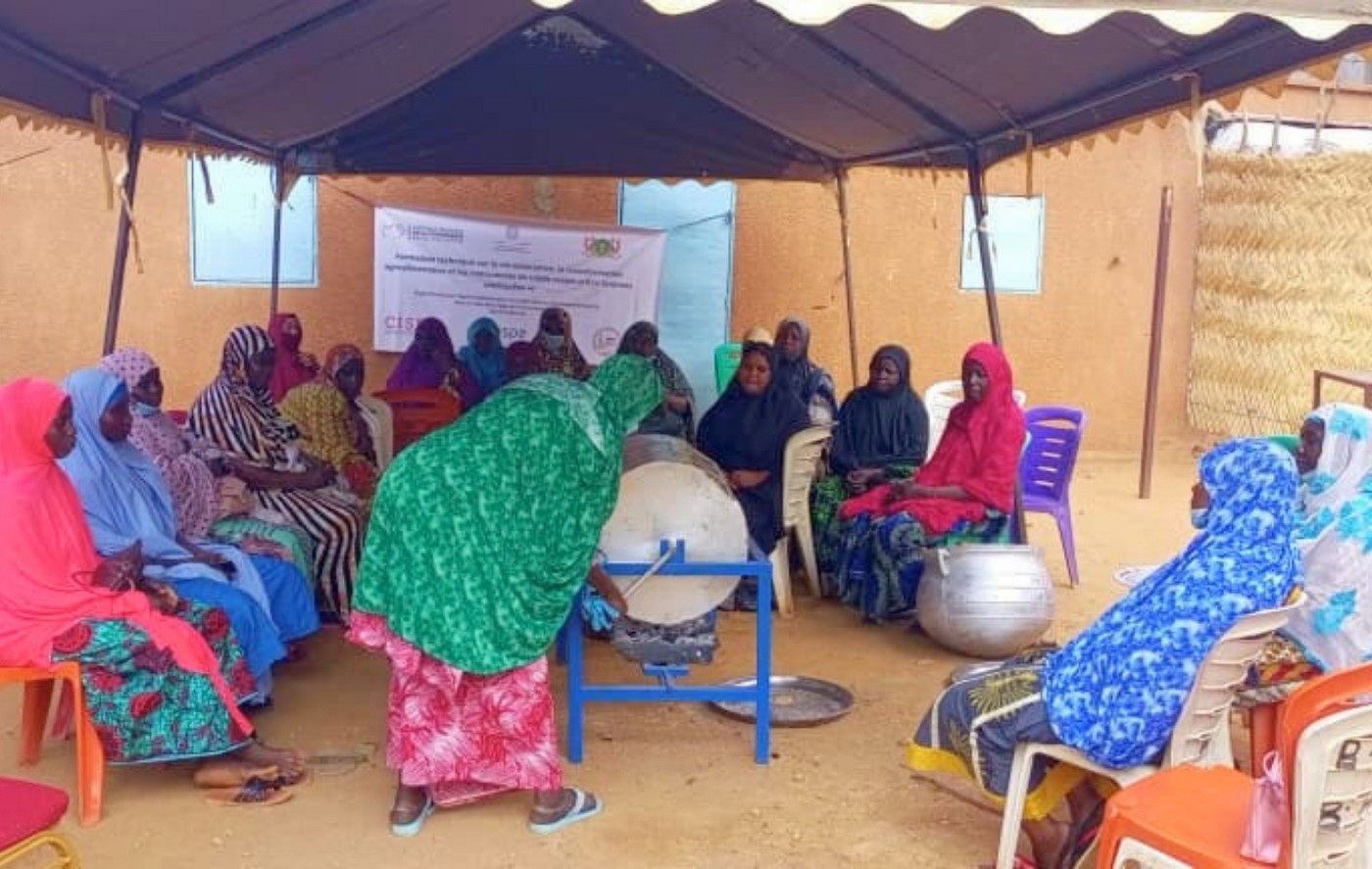
Technical training and processing units. Forty women trainers, five per cooperative, completed 4 seven-day technical modules on solar drying, cereal and vegetable processing and storage, and vegetable oil extraction. The trainers then passed these skills on to the other members. Eight processing sites were built on land provided by the communities and equipped with solar dryers, a cereal mill, processing kits and kitchen kits. The units remain community-owned and are run by the cooperatives under the supervision of the municipalities.
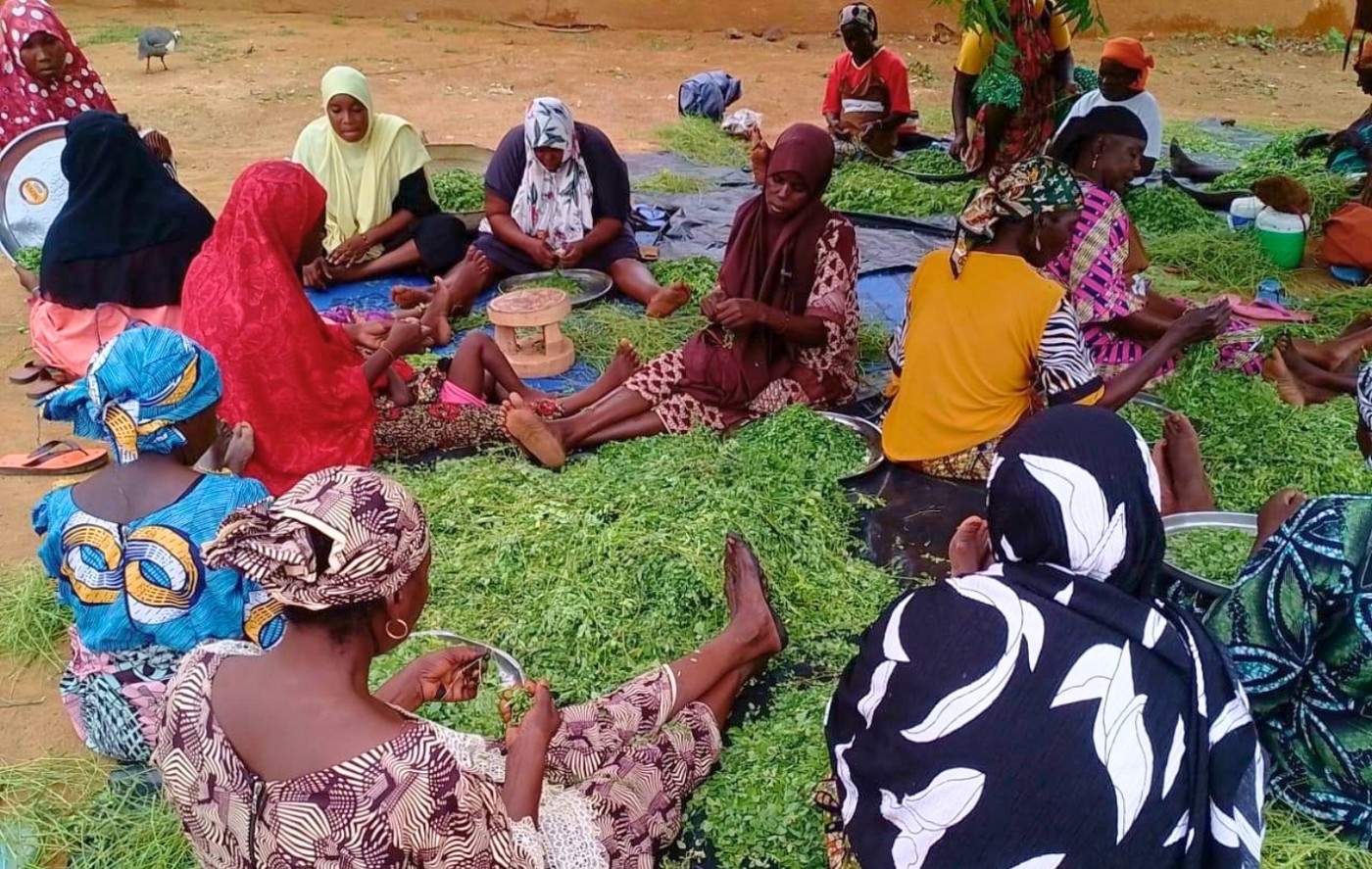
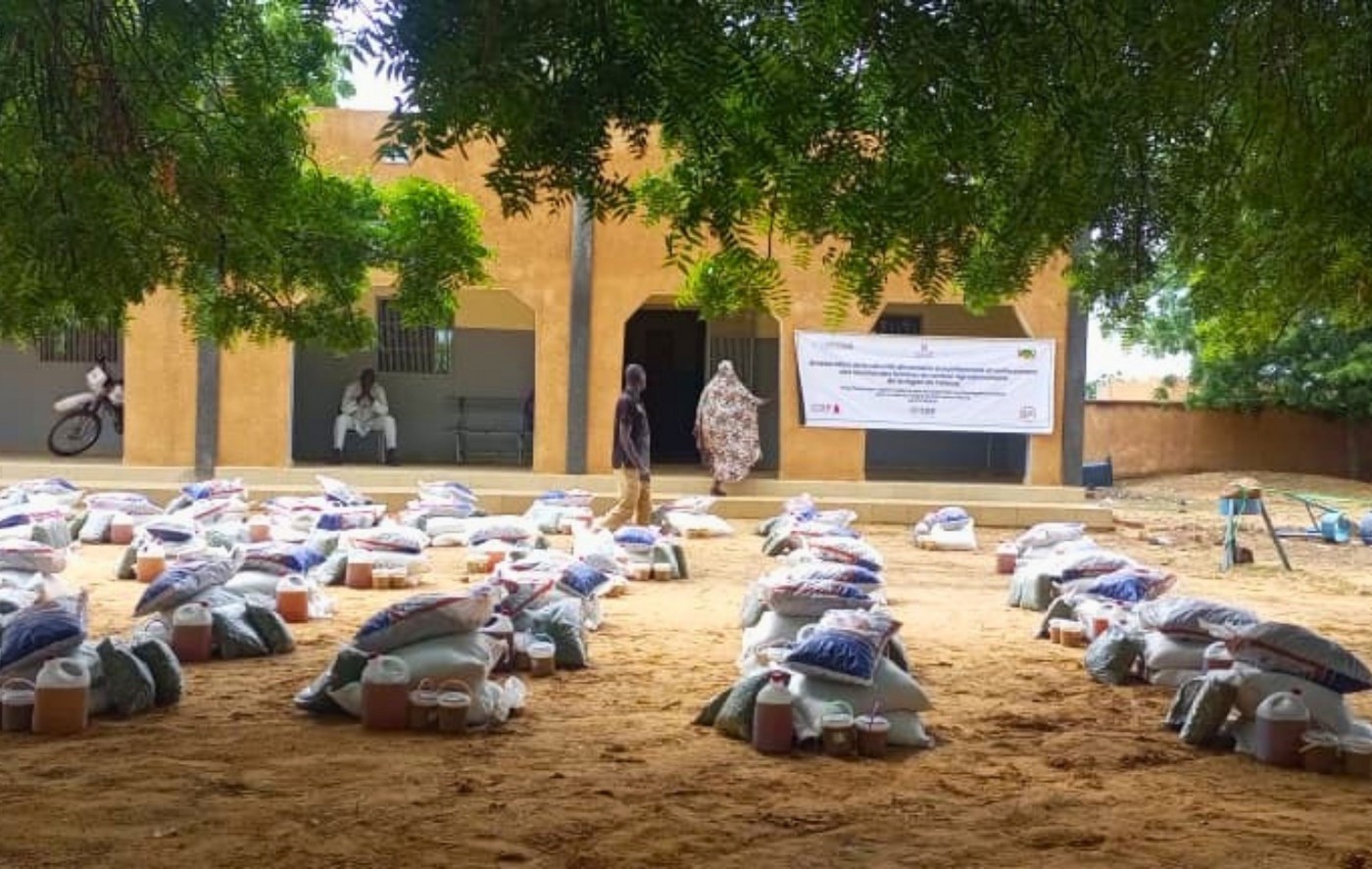
From production to distribution. Through the THIMO system (labour-intensive work), 200 women were paid for about 5,400 working days dedicated to the first production. Members handled every step of processing: sorting and roasting groundnuts, preparing and drying leafy vegetables, and milling cereals. Each beneficiary household received a kit of groundnut oil and paste, maize and millet flour, and dried vegetables. The kits were distributed to 300 vulnerable households, identified together with health centres and local authorities.
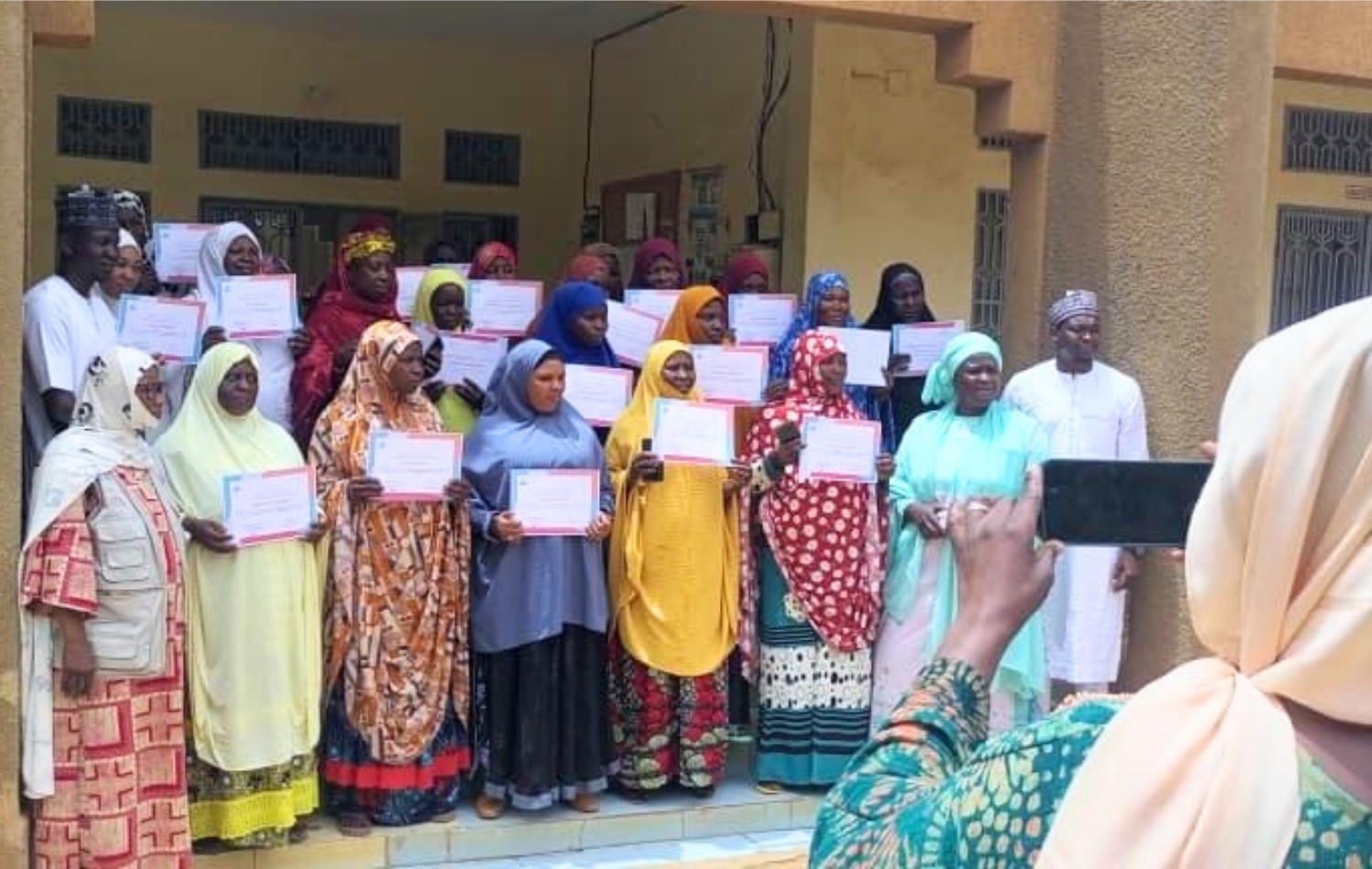
A legacy of economic autonomy. The pathway concluded with the ILO’s TRIE, CREE and GERME training courses, 8 in-kind grants to the most promising initiatives and the launch of tontines améliorées, self-managed savings and loan groups. At the end of the project, the cooperatives have the skills, equipment and financial tools to continue their activities independently.