 Español
  Français
  Italiano
  English
 Integrated Emergency Response for Displaced Families and Children in Beirut and Mount Lebanon

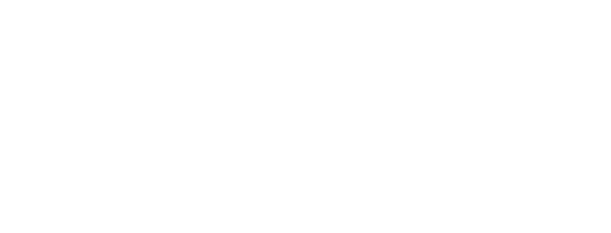
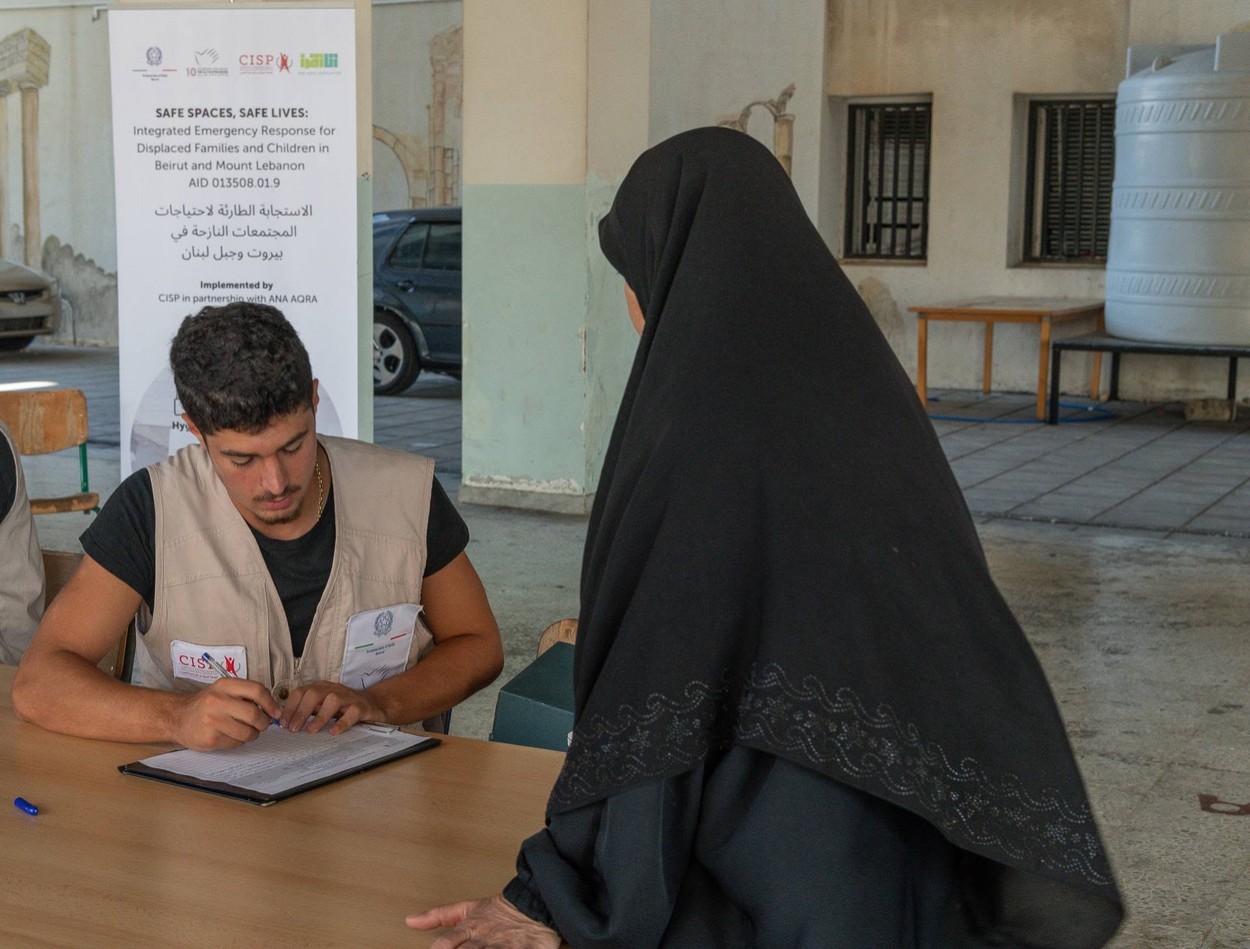
Months after the escalation of the conflict in March 2026 which forced thousands of people to flee their homes across Lebanon especially in South Lebanon and the Bekaa, the impact of the crisis continues to shape the lives of many families. While the partial end of hostilities has enabled many Internally Displaced Persons (IDPs) to return to their villages and homes, for many others, returning is not possible. Houses have been severely damaged or completely destroyed, livelihoods have been lost, and many families remain in temporary shelters, relying on humanitarian assistance to meet their most basic needs.
Lama and Rima are two women from South Lebanon whose stories reflect the reality faced by many displaced families who are struggling to rebuild their lives in the midst of uncertainty.
Lama, from the village of Srobbin, fled to Beirut with her family of eight, five months ago as the conflict intensified. Before the recent conflict, the family depended on farming their land for their livelihood. But today they live in a collective shelter in Beirut with no source of income. Their home was destroyed during the conflict, leaving them with nowhere to return.
"We have nowhere to go back to," Lama says. Like many displaced families, they rely entirely on humanitarian assistance and donations from civil society organizations to survive.
Through the Safe Spaces, Safe Lives (AID 013508.01.9) project, funded by Italy through the Italian Agency for Development Cooperation (AICS), and led by CISP in partnership with Ana Aqra Association, Lama's family received hygiene kits containing essential items to help maintain safe and healthy living conditions in the shelter. "These kits came right on time," she explains. "Water has been scarce, and we were in need of these items to help us avoid any diseases that may arise from poor hygiene."
Although grateful for the assistance, Lama believes the needs remain overwhelming.
For Rima, who fled the city of Tyre with her extended family of twelve, the challenges of displacement have taken a different form. After escaping the conflict, the family also sought refuge in Beirut, where employment opportunities have been extremely limited. Among all twelve family members, only Rima has managed to contribute to the household's daily needs. She volunteers in the kitchen of a local restaurant, receiving meals in exchange for her work to help feed her family. Like Lama, Rima received a hygiene kit through the project. Living in a shared shelter requires constant cleaning to ensure a healthy environment for everyone, making basic hygiene supplies indispensable.
"These hygiene kits are so important," she says. "Having cleaning tools and detergents is vital, especially that we have to clean the area where we are staying every day."
For families living in displacement, access to hygiene supplies is about far more than cleanliness. It helps reduce health risks, protects children's wellbeing, and restores a sense of dignity during an incredibly difficult period of uncertainty.
As Lebanon continues its long path toward recovery, humanitarian assistance remains a critical lifeline. As part of the ongoing emergency response under the Safe Spaces, Safe Lives project, CISP, together with Ana Aqra Association and with the support of Italy, distributed hygiene kits to more than 200 displaced families during a distribution campaign carried out in the last week of July 2026, helping them protect their health, preserve their dignity, and face the challenges of displacement with greater resilience.